Key Takeaways
- Pest activity shifts with temperature, rainfall, moisture, food sources, and available shelter.
- Spring commonly brings ants, spiders, carpenter ants, and early wasp nest building.
- Summer often increases mosquito, wasp, fly, ant, and outdoor biting-pest activity.
- Fall is an important time to block mice and rats before they move indoors.
- Winter pest issues often involve rodents, pantry pests, cockroaches, and insects sheltering in quiet indoor spaces.
- Routine inspection, moisture control, sanitation, and exclusion can reduce pest pressure throughout the year.
Pacific Northwest homes experience different pest patterns throughout the year, but the same basic conditions matter in every season: food, water, shelter, and access. Homeowners in Washington, Oregon, Idaho, and Montana can use a seasonal plan to spot problems earlier and focus maintenance where it has the greatest effect. For homeowners who need help identifying or managing an active issue, Pointe Pest Control provides residential and commercial pest management for concerns including ants, spiders, rodents, wasps, bed bugs, cockroaches, and termites. Its licensed local technicians serve communities across Washington, Oregon, Idaho, and Montana, with property inspections and targeted service plans designed around the pest and the conditions attracting it.
Why Pest Activity Changes With the Seasons
Pests respond to weather and changes around the property. Rain can leave moisture near foundations, crawl spaces, landscaping, and clogged gutters. Warm weather can increase insect movement and outdoor feeding. Cooler weather can make protected indoor areas, such as attics, garages, wall voids, and basements, more appealing to pests looking for shelter.
Local surroundings also influence what a homeowner sees. Wooded lots, nearby water, agricultural areas, dense shrubs, pet feeding stations, and stored firewood can all change pest activity. Seasonal calendars are useful guides, but a damp crawl space or a small gap near a utility line can matter more than the month on the calendar.
A practical approach follows integrated pest management principles: inspect first, identify the pest, remove the conditions supporting it, and use targeted control only when needed.
Spring Pest Activity: Watch for Early Warning Signs
Common Spring Pests
As temperatures rise, homeowners may notice ants, spiders, carpenter ants, and wasps beginning to establish nests. Rodents can also remain active in garages, sheds, and crawl spaces after winter.
Spring Conditions That Attract Pests
- Wet soil, poor drainage, or mulch placed directly against siding.
- Leaking hose bibs, outdoor faucets, and plumbing connections.
- Branches, vines, and shrubs touch the roofline or exterior walls.
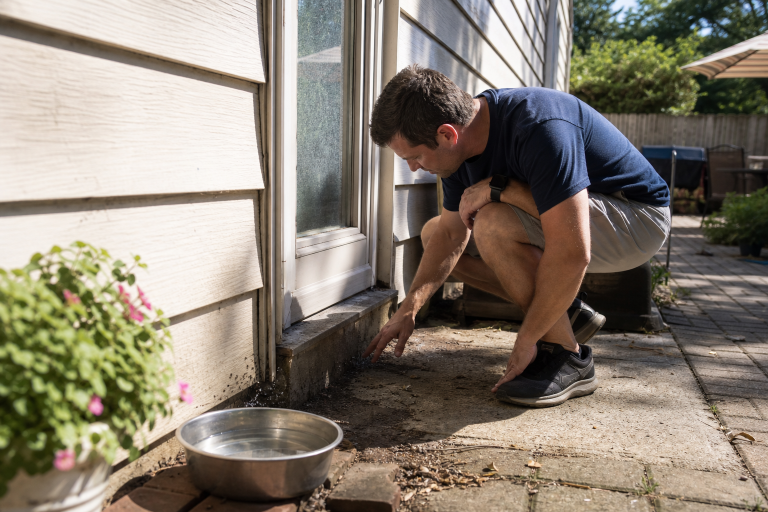
- Cracks around windows, doors, foundations, and utility penetrations.
Spring Home Checklist
- Check door sweeps, window screens, and visible foundation joints.
- Clear gutters and downspouts so water drains away from the structure.
- Trim vegetation away from siding, vents, and entry doors.
- Repair leaks and eliminate standing water where possible.
- Watch for ant trails in kitchens, bathrooms, and along exterior walls.
Summer Pest Activity: Protect Outdoor Living Areas
Summer can bring more wasps and yellowjackets, mosquitoes, flies, ants, spiders, fleas, and ticks. Outdoor meals, overflowing bins, pet food, fallen fruit, and dense landscaping can provide food or cover close to the home.

Check eaves, decks, sheds, play structures, and outdoor storage areas for wasp activity before nests grow larger. Empty water-holding containers such as buckets, planters, and birdbaths regularly. Keep garbage lids closed, rinse recyclables, use intact window screens, and avoid leaving pet food outdoors overnight when practical.
Fall Pest Activity: Stop Rodents Before They Move Indoors
When outdoor conditions become cooler, mice and rats may look for protected places with food and warmth. Spiders, stink bugs, and other occasional invaders may also turn up in garages, attics, storage areas, and wall spaces.
Where Rodents Often Enter
- Gaps beneath garage doors and damaged weatherstripping.
- Openings around pipes, ducts, cables, and utility equipment.
- Crawl-space vents, roof vents, soffits, and damaged screens.
- Cracks in foundations or gaps where additions meet the home.
If rodent evidence appears, follow the CDC guidance to seal holes and use traps safely, while removing food sources and monitoring for fresh activity.
Fall Rodent-Prevention Checklist
- Walk the exterior before the first sustained cold weather arrives.
- Seal gaps larger than a pencil with durable, suitable materials.
- Move firewood, compost, and stored items away from exterior walls.
- Store birdseed, pet food, and animal feed in sealed containers.
- Inspect attics, basements, garages, and crawl spaces for droppings, gnaw marks, or nesting material.
Winter Pest Activity: Indoor Problems Still Matter
Winter does not eliminate pest concerns. Mice and rats can remain active indoors, while spiders, cockroaches, pantry pests, and occasional invaders may use heated rooms, cabinets, wall voids, or storage areas for shelter.
A sighting in the kitchen does not always mean the pest entered through the kitchen. It may have traveled from an attic, garage, crawl space, or opening behind an appliance. Check cabinets, pantry shelves, appliance areas, and storage rooms for damaged food packaging, moisture, droppings, or nesting materials. Reduce clutter and address condensation or plumbing leaks that create hidden moisture.
How to Build a Seasonal Pest Prevention Plan
- Inspect: Review the structure, yard, storage spaces, and moisture-prone areas each season.
- Identify: Confirm the pest before selecting a treatment or product.
- Remove attractants: Manage food, water, clutter, garbage, and dense vegetation.
- Seal entry points: Repair gaps around doors, windows, pipes, vents, and foundations.
- Monitor: Use visual checks and appropriate traps to determine whether activity continues.
- Choose targeted control: Select the least disruptive method that fits the pest and location.
- Review: Adjust the plan after storms, leaks, renovations, landscaping changes, or repeat sightings.
When Professional Help Makes Sense
Professional assessment can be useful when activity continues after basic prevention, rodents are entering inaccessible spaces, a stinging-insect nest is near a doorway or play area, or there are possible signs of carpenter ant, termite, or moisture-related wood damage. It is also wise to seek help when multiple rooms show activity or the pest cannot be identified confidently.
DIY Pest Control Mistakes to Avoid
- Applying a product before identifying the pest and its likely entry point.
- Using more pesticide than the label permits.
- Using an outdoor product inside the home.
- Ignoring leaks, gaps, clutter, or food sources while treating only visible pests.
- Removing a wasp nest without confirming whether it is active or safely accessible.
- Sweeping or vacuuming dry rodent droppings instead of using safer cleanup practices.
Frequently Asked Questions
Do pests disappear in winter?
Outdoor activity may slow, but pests can remain active inside heated buildings. Rodents, spiders, cockroaches, and pantry pests may find shelter and food indoors during colder months.
What should homeowners watch for first in spring?
Ant trails, spider activity, standing water, and early wasp nest building are useful warning signs. Timing varies with weather and property conditions.
How often should a home be inspected?
Inspect at least once per season, and repeat checks after major storms, plumbing leaks, construction work, or substantial landscaping changes.
Are quarterly pest treatments needed for every home?
Not necessarily. The right service frequency depends on the pest, past activity, property design, surrounding conditions, and the homeowner’s prevention goals.
Conclusion: Use the Calendar, but Watch the Property
Seasonal patterns offer a useful starting point, but every home has different vulnerabilities. A damp crawl space, open garage, wooded lot, leaky faucet, or foundation gap can change when pests appear. Regular inspections and practical prevention steps can reduce indoor sightings and make any needed treatment more focused.