Table of Contents
- Understanding Septic Systems
- Benefits of Regular Maintenance
- Recommended Maintenance Schedule
- Signs Your Septic System Needs Attention
- Best Practices for Septic Care
- Environmental Impact of Septic Maintenance
- Choosing a Professional Service
- Conclusion
Proper upkeep of your home’s septic system is essential not only for daily comfort but also for the long-term safety of your household and local environment. Consistent attention to maintenance tasks keeps your system operating smoothly, prevents major malfunctions, and reduces the risk of emergency repairs. Exploring septic services can help you implement the best maintenance practices for your property, ensuring both efficiency and reliability.
Homeowners sometimes overlook their septic systems until issues arise, but proactive care saves money and prevents headaches down the road. By understanding your system’s workings and recognizing the benefits of regular maintenance, you can avoid costly breakdowns and promote a healthier living space. Maintenance also contributes to local water safety and can add value to your property.
Alongside septic care, it’s also wise to consider effective sump pump services for comprehensive household water management. Both systems play crucial roles in managing wastewater and protecting your home from water damage.
Understanding Septic Systems
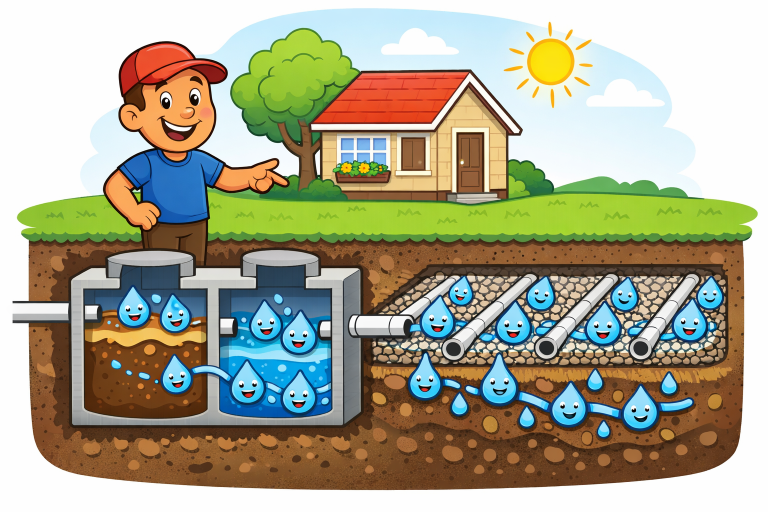
Septic systems provide on-site wastewater treatment for homes not connected to municipal sewer lines. Typical systems include a septic tank for settling solids and a drainfield (also called a leach field), where filtered liquid is distributed into the soil. As wastewater enters the tank, heavier solids sink, bacteria break down organic matter, and clarified liquid moves on to the drainfield for further purification. If not properly maintained, these stages can fail, leading to system failures, environmental pollution, and costly property damage.
Benefits of Regular Maintenance
- Cost Savings: Inspecting and pumping your septic system regularly, generally at a cost of $250 to $500 every three to five years, is far more affordable than the $3,000 to $7,000 price tag for a full system replacement. Scheduled maintenance extends your system’s lifespan and reduces the need for emergency repairs.
- Property Value Protection: Effective maintenance protects your investment by ensuring your home’s wastewater system is not a liability if you decide to sell. Potential buyers often view a well-maintained septic system as a positive asset.
- Health Safeguards: A properly functioning septic system protects surface and groundwater from contamination, reducing the chances of waterborne illnesses.
Recommended Maintenance Schedule
Maintenance needs can vary based on household size, water usage, and system age. The EPA recommends having your system inspected by a professional every three years. For most homes, tanks should be pumped every three to five years. Additional measures, such as checking system parts and monitoring water flows, can catch small issues before they become larger problems.
Signs Your Septic System Needs Attention
Staying vigilant to the signs of a struggling system can protect you from bigger headaches. The most common indicators include:
- Slow-draining toilets, sinks, or tubs.
- Persistent foul odors near the septic tank or drainfield.
- Standing water in your yard above the drainfield.
- Patches of unusually bright green grass above the drainfield, even during dry weather, can signal excess waste leaking into the soil.
Best Practices for Septic Care
- Water Efficiency: Installing water-saving fixtures, such as low-flow toilets and showerheads, reduces strain on your septic system, preventing it from filling up too quickly.
- Proper Waste Disposal: Never flush items that do not break down easily, including wipes, feminine products, or cooking fat and grease. Limiting garbage disposal use also helps prevent clogs.
- Drainfield Protection: Avoid driving or parking vehicles over the drainfield. Heavy weight can compact the soil, damaging the pipes beneath and leading to system failure.
Environmental Impact of Septic Maintenance
A neglected septic system can contaminate groundwater with harmful bacteria, viruses, and excess nutrients such as nitrogen and phosphorus. These pollutants not only threaten the health of your family and neighbors but can also disrupt local ecosystems by fostering algae blooms and harming aquatic life. By sticking to a proactive maintenance routine, you help protect public water supplies and preserve the natural environment, a responsibility that extends beyond your property line.
Choosing a Professional Service
Hiring a reputable professional for septic system service is crucial. Look for licensed providers with positive reviews and a proven track record of timely, thorough maintenance. Professional inspections can identify small issues before they escalate, ultimately saving you substantial costs and future frustration.
Conclusion
Maintaining your septic system is a fundamental responsibility for any homeowner. The benefits, cost savings, property protection, health safeguards, and environmental preservation clearly outweigh the time and effort involved. By following recommended schedules and best practices, and by connecting with experts for regular inspections, you help ensure safe, reliable operation for years to come.