Monthly Archives: May 2026

Best Practices for Pressure Washing Your Home’s Exterior


Key Takeaways

  • Proper preparation and equipment selection are crucial for effective pressure washing.
  • Understanding surface-specific techniques prevents damage to your home’s exterior.
  • Regular maintenance enhances curb appeal and prolongs the lifespan of exterior materials.

Table of Contents

  • Preparation
  • Equipment Selection
  • Pressure Washing Techniques
  • Safety Precautions
  • Post-Washing Care
  • When to Hire Professionals
  • Conclusion


Maintaining the exterior of your home not only enhances curb appeal but also protects your investment by preventing long-term damage. Weather, dirt, mold, and mildew can tarnish your property’s appearance. Using proven methods like pressure washing can help you revitalize your home’s appearance, but it requires proper technique to avoid costly mistakes. The following guide offers actionable steps and safety insights to help you clean your home effectively while safeguarding its structure and value.

Before starting any cleaning project, it is important to understand your home’s needs and the unique challenges of each material. Not only can pressure washing boost your home’s appearance, but it can also extend the life of your siding and other exterior surfaces. Approaching the job with the right equipment, methods, and preparation makes all the difference in results and safety.

Preserving your home’s exterior is not only a matter of pride but also helps prevent problems such as rot, decay, and structural damage. Well-maintained surfaces are less likely to crack, fade, or harbor moisture that can lead to expensive repairs. Whether you are considering a do-it-yourself approach or thinking about hiring professionals, understanding the fundamentals of pressure washing is key.

For homeowners who want a deeper clean and protection from weather and pollution, investing time to learn best practices can pay off for years to come. Using quality equipment and establishing a regular schedule will keep surfaces looking new while controlling mold, mildew, and algae growth. Explore services such as exterior cleaning for comprehensive solutions to maintain your property.


Preparation

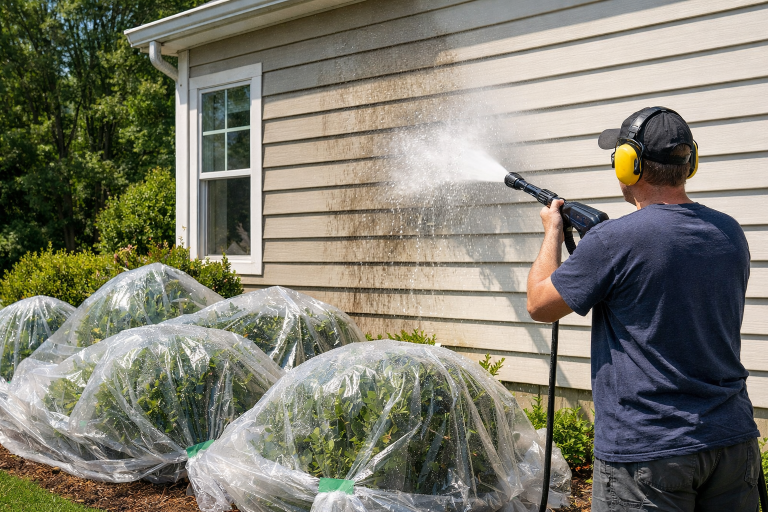
Preparation is essential before washing your home’s exterior. Start by removing outdoor furniture, grills, toys, or planters from the vicinity to avoid accidental damage or debris. It is also wise to cover delicate landscaping and to locate all exterior outlets so they can be covered with waterproof materials. Before proceeding, inspect your siding, trim, and walkways for existing cracks or loose boards. Address any repairs before cleaning, as high-pressure water can worsen existing damage or push water behind siding, increasing the risk of moisture problems.


Equipment Selection

Choosing the right equipment will influence both safety and results. For residential exteriors, pressure washers with outputs between 1,500 and 2,500 PSI are usually adequate. Be mindful that different surfaces require different nozzles. Use a 25-degree green nozzle for general cleaning and a 40-degree white nozzle for more fragile materials such as wood or vinyl. Avoid the zero-degree red nozzle, as it is too forceful and can strip paint or etch surfaces.


Pressure Washing Techniques

Effective washing starts at the top of the wall and works downward, preventing dirty water from running over already cleaned areas. Maintain a consistent distance of about 12 inches from the surface to avoid damage. Use overlapping strokes in a sweeping motion, keeping the wand moving steadily. For stubborn stains or mildew, apply a cleaning solution with a low-pressure nozzle, let it sit for a few minutes, then rinse thoroughly. Make sure to follow the manufacturer’s recommendations for detergents and application methods to protect plant life and painted finishes.

Safety Precautions

Pressure washing can be hazardous without proper safety measures. Always wear protective goggles, gloves, and sturdy closed-toe shoes to protect against flying debris. Never use ladders when operating a pressure washer, as the kickback can cause falls. Instead, use extension wands or telescoping poles for hard-to-reach spots. Keep children and pets away from your work area to avoid injury. Pay special attention to electrical components and avoid spraying directly at lights, outlets, or utility boxes. The powerful jet can inflict serious injuries, so never point the wand at yourself or others. For more on safety, see this comprehensive pressure washer safety guide.

Post-Washing Care

Once the job is complete, inspect the house for missed spots, new damage, or water intrusion. Allow ample time for surfaces to dry before painting, sealing, or reinstalling fixtures. Consistent care every year can keep your exterior in excellent condition, reducing the risk of permanent stains or weathering. Maintaining gutters, caulking, and paint after pressure washing adds further protection and beauty to your home’s facade.
 

When to Hire Professionals

Some jobs are safer and more effective when done by professionals, especially in multi-level homes or homes with mold, mildew, or algae buildup. Professional pressure washing uses industrial equipment and solutions, and can spot structural issues that need repair, saving you money. For those worried about damaging high-end finishes, stone, or custom exteriors, hiring experts is wise for peace of mind. Following best practices ensures safe, efficient pressure washing that improves the look of your home and protects it longer. Regular cleaning keeps your exterior beautiful, sound, and valuable over time.


Conclusion

Pressure washing effectively maintains your home’s exterior but requires preparation, proper equipment, and technique for safe, optimal results. Inspect surfaces, use appropriate pressure, and follow consistent methods to remove buildup without damage. Prioritize safety and know your limits; complex tasks are best handled by professionals. Regular pressure washing improves appearance and preserves your home’s structure and value.
Los Angeles Real Estate Market Trends in 2026: A Comprehensive Analysis

Key Takeaways:

  • Median home prices in Los Angeles have stabilized around $1 million, with slight year-over-year increases.
  • Mortgage rates have decreased to approximately 6.05%–6.15%, improving affordability for buyers.
  • Inventory levels have risen, providing buyers with more options and extending the average days on market.
  • Pricing strategies are crucial for sellers to attract buyers in a more balanced market.

Current Market Overview

The Los Angeles real estate market in 2026 has transitioned into a more balanced state. Median home prices have stabilized around $1 million, reflecting a modest 2.5% increase from the previous year. This stabilization indicates a shift from the rapid price escalations seen in prior years, offering a more predictable environment for both buyers and sellers.

For those navigating this evolving market, Los Angeles CA real estate agents Heyler Realty offer unparalleled expertise. Established in 1927, Heyler Realty has built a reputation for honesty, integrity, and competency, serving areas such as Cheviot Hills, Rancho Park, Century City, Santa Monica, and Westwood. Their deep understanding of the local market positions them as a trusted resource for buyers and sellers alike.

Mortgage Rates and Affordability

Mortgage rates have seen a decline, now hovering between 6.05% and 6.15%, down from 6.84% a year ago. This reduction enhances affordability, allowing more buyers to enter the market. However, despite lower rates, Los Angeles remains one of the most expensive markets in the country, prompting buyers to explore condos, townhomes, and outer neighborhoods for more affordable options.

Inventory Levels and Days on Market

Inventory levels have improved compared to the historic lows of 2021–2022, though they remain below long-term averages. This increase in available homes has extended the average days on market to approximately 50–80 days, up from 30–50 days in early 2025. Buyers now have more time to make decisions, while sellers must adjust expectations and strategies accordingly.

Pricing Strategies for Sellers

In this more balanced market, sellers need to adopt strategic pricing to attract buyers. Overpriced listings are likely to sit longer and may require price reductions. Proper pricing from the outset, combined with effective marketing and presentation, is essential to achieve successful sales outcomes.

Buyer Behavior and Preferences

Buyers are becoming more deliberate in their purchasing decisions, taking advantage of increased inventory and longer decision cycles. Many are focusing on properties that offer value and potential for appreciation, leading to a more discerning buyer pool.

Regional Variations

While the overall Los Angeles market shows signs of stabilization, regional variations exist. For instance, the West Los Angeles housing market, including areas like Santa Monica and Brentwood, is experiencing a “normalized but cautious” phase, with higher inventory and moderate pricing. Understanding these regional nuances is crucial for both buyers and sellers.

Impact of Economic Factors

Economic factors, including employment rates and local policies, continue to influence the real estate market. While mortgage rates have eased, affordability remains a challenge due to high property prices. Buyers and sellers must stay informed about economic trends to make strategic decisions.

Demographic Shifts and Lifestyle Trends

The Los Angeles housing market in 2026 also reflects shifting demographic trends. A growing number of young professionals and remote workers are contributing to the demand for properties in neighborhoods that offer vibrant urban amenities, walkability, and convenient access to transit. Additionally, multi-generational households are becoming more common, driving demand for larger homes or properties that offer separate living spaces.

Sustainability and energy efficiency now play an increasingly important role in the decision-making process. Eco-conscious buyers are prioritizing features such as solar panels, smart home systems, and drought-tolerant landscaping. Many sellers who have invested in upgrades aimed at reducing utility costs and environmental impact are finding that their properties attract heightened interest from this segment of buyers.

Luxury and Investment Markets

The luxury home segment in Los Angeles remains robust, though it too shows signs of more balanced negotiation between buyers and sellers. High-end buyers are seeking residences that offer privacy, security, and exceptional amenities, with neighborhoods such as Beverly Hills, Bel Air, and Malibu continuing to command premium prices. Meanwhile, investment in multi-family properties and short-term rentals is adapting to new regulations and evolving traveler preferences.

Investor interest in the region stems in part from an ongoing demand for rental housing. While rent increases have moderated, owning income-generating properties remains attractive due to Los Angeles’s enduring reputation as a desirable place to live and work.

Technology in Real Estate Transactions

The adoption of technology in real estate transactions is another defining feature of the 2026 market. Virtual tours, online open houses, and AI-powered property valuations have become industry standards. Digital document signing and streamlined escrow processes are enhancing convenience for both buyers and sellers, allowing transactions to proceed more quickly and with less friction. These innovations are particularly beneficial for out-of-area buyers or those seeking to finalize a purchase remotely.

Savvy buyers and sellers are leveraging advanced tools to analyze market trends, project future value, and identify emerging opportunities within the city’s diverse neighborhoods. Working with an experienced agent adept at deploying these resources can give participants a decisive edge during both the home search and negotiation phases.

Community and Urban Development Initiatives

Public policy initiatives and new community developments will continue to shape the evolution of Los Angeles real estate. Zoning changes, affordable housing programs, and incentives for green building are influencing inventory and neighborhood character. The city’s focus on expanding public transit and revitalizing commercial corridors is expected to boost desirability in certain under-the-radar districts. Buyers and sellers who remain informed about upcoming projects and policy changes will be better positioned for success.

Conclusion

The Los Angeles real estate market in 2026 presents opportunities and challenges for both buyers and sellers. With stabilized prices, improved inventory, and lower mortgage rates, the market is more balanced than in previous years. However, strategic pricing, thorough market analysis, and understanding regional variations are essential for success in this evolving landscape.

For those seeking expert guidance in navigating this market, Los Angeles CA real estate agents Heyler Realty offer extensive experience and a deep understanding of the local market. Established in 1927, Heyler Realty has built a reputation for honesty, integrity, and competency, serving areas such as Cheviot Hills, Rancho Park, Century City, Santa Monica, and Westwood.