Monthly Archives: March 2026

No Cool Air? Call an AC Repair Near Me Before It Gets Worse

Indoor temperatures can rise quickly when an air conditioner stops working. A system that once kept rooms steady and comfortable may suddenly push out warm air or run without relief. Fast action through AC repair near me services can prevent minor malfunctions from becoming costly replacements.

What Warm Air from Vents Signals About Your System

Warm air blowing from supply vents often indicates an interruption in the cooling cycle. The system may still be running, but something inside is preventing it from lowering the air temperature. AC repair technicians check refrigerant levels, compressor function, and thermostat settings to determine why cool air is no longer reaching living spaces. In many cases, airflow continues while cooling stops. That combination suggests the blower motor works, but the refrigeration process is failing. Air conditioning repair in Lebanon, TN, typically begins with pressure readings and electrical tests to isolate the exact cause before further damage develops.

How Low Refrigerant Reduces Cooling Capacity

Refrigerant absorbs heat from indoor air and releases it outside. When levels drop due to a leak, the system cannot transfer heat efficiently. AC service in Lebanon, TN often uncovers small leaks in coils or line connections that gradually reduce cooling power.

Low refrigerant does more than weaken performance. Insufficient charge forces the compressor to run longer cycles, increasing wear. Professional AC repair in Lebanon, TN, includes locating leaks, sealing them properly, and recharging the system to manufacturer specifications to restore balanced operation.

Signs the Compressor Is Struggling to Start

The compressor acts as the engine of the cooling process. Clicking sounds, hard starts, or repeated attempts to power on may indicate electrical issues or internal mechanical strain. AC repair near me professionals test capacitors and relays to determine whether the compressor receives adequate voltage.

A failing compressor can overheat quickly. Ignoring startup struggles can lead to complete burnout and costly replacements. Early air conditioning repair in Lebanon, TN, often prevents that outcome by addressing the electrical components that support proper startup.

Why Frozen Evaporator Coils Block Airflow

Evaporator coils in the indoor unit absorb heat from circulating air. Restricted airflow or low refrigerant can cause these coils to freeze. Ice buildup blocks airflow and reduces cooling output, even if the system appears to be running.

Once ice forms, the unit cannot function correctly. AC service technicians shut down the system, allow coils to thaw, and identify the underlying issue. AC repair in Lebanon, TN, frequently involves correcting airflow restrictions or refrigerant imbalances that triggered freezing in the first place.

The Role of Condenser Coils in Heat Release

Condenser coils located in the outdoor unit release collected heat into the air. Dirt, debris, and grass clippings can coat these coils, reducing their ability to transfer heat. AC repair near me services include cleaning condenser surfaces to restore proper heat exchange.

Blocked coils force the system to operate under higher pressure. Over time, this strain shortens equipment life and raises energy bills. Air conditioning repair in Lebanon, TN, often begins with a visual inspection of the outdoor unit to ensure unrestricted heat release.

How Thermostat Errors Disrupt Cooling Cycles

Thermostats communicate desired temperatures to the system. Incorrect calibration or faulty wiring can prevent the unit from cooling even when indoor temperatures rise. AC service in Lebanon, TN, includes checking thermostat accuracy and signal connections.

Programming errors also create confusion in cooling cycles. A system may shut off too early or fail to turn on at all. Skilled AC repair technicians verify that the thermostat sends correct signals before moving on to mechanical components.

What Short Cycling Means for Your AC Unit

Short cycling occurs when the system turns on and off repeatedly within short intervals. This pattern prevents complete cooling cycles, leading to increased wear on internal parts. AC repair near me professionals look for clogged filters, oversized units, or electrical faults that contribute to this behavior.

Frequent cycling reduces efficiency and can damage the compressor. Air conditioning repair in Lebanon, TN, addresses both airflow and electrical concerns to stop this cycle and restore stable operation.

Why Clogged Drain Lines Affect Performance

Air conditioners remove moisture from indoor air during operation. That moisture drains through a condensate line. When this line clogs, water can back up into the unit, triggering safety switches that shut down cooling. Blocked drainage also creates conditions for mold growth. AC service technicians clear drain lines and confirm proper slope to prevent recurring issues. AC repair in Lebanon, TN, often includes cleaning this hidden component to maintain performance and indoor air quality.

When Delayed Repairs Lead to Full System Failure

Small warning signs often precede major breakdowns. Ignoring warm air, unusual noises, or weak airflow allows internal damage to progress. AC repair near me services become more complex when early symptoms go unaddressed. Timely air conditioning repair in Lebanon, TN, reduces the risk of complete system failure during peak heat. Professional support from Affordable Heating and Cooling includes detailed inspections, precise diagnostics, and reliable AC service designed to restore cooling quickly. Their technicians provide thorough AC repair solutions that help protect equipment life and keep indoor environments steady throughout the season.
Sustainable Landscape Design Trends for Modern Homes

Key Takeaways

  • Incorporating native plants reduces maintenance and supports local ecosystems.
  • Water-efficient landscaping conserves resources and lowers utility bills.
  • Edible gardens provide fresh produce and encourage self-sufficiency.
  • Natural materials and earth tones create a harmonious connection with the environment.
  • Outdoor wellness spaces offer a retreat for relaxation and mental well-being.

Table of Contents

  • Embracing Native and Regionally Adapted Plants
  • Implementing Water-Efficient Landscaping
  • Integrating Edible Gardens into Your Landscape
  • Utilizing Natural Materials and Earth Tones
  • Designing Outdoor Wellness Spaces
  • Creating Pollinator-Friendly Gardens
  • Developing Wildlife Habitats
  • Incorporating Smart Technology in Landscaping

With increased focus on environmental consciousness, sustainable landscape design is transforming how homeowners approach their outdoor spaces. The latest landscaping trends blend eco-friendly practices with modern aesthetics, offering benefits that extend beyond curb appeal. Homeowners now prioritize landscapes that are as healthy for the planet as they are inviting for friends and family.

From selecting resilient, regionally adapted plants to optimizing water use and creating spaces for relaxation, today’s sustainable landscape trends encourage both beauty and responsibility. These design ideas not only minimize environmental impact but also create outdoor environments that foster wellness and community connection. With thoughtful planning, an eco-conscious landscape can become the highlight of any modern home.

Incorporating practical solutions, such as efficient irrigation and natural materials, alongside purposeful gardens, can help homeowners reduce maintenance while supporting local ecosystems. Sustainable design also addresses climate adaptation, making outdoor spaces resilient to seasonal changes and unexpected weather events.

Beyond these primary considerations, ongoing landscape maintenance is crucial to ensuring your sustainable features flourish year after year. A regular care schedule keeps gardens healthy, supports pollinators, and protects your original investment in sustainable design.

Embracing Native and Regionally Adapted Plants

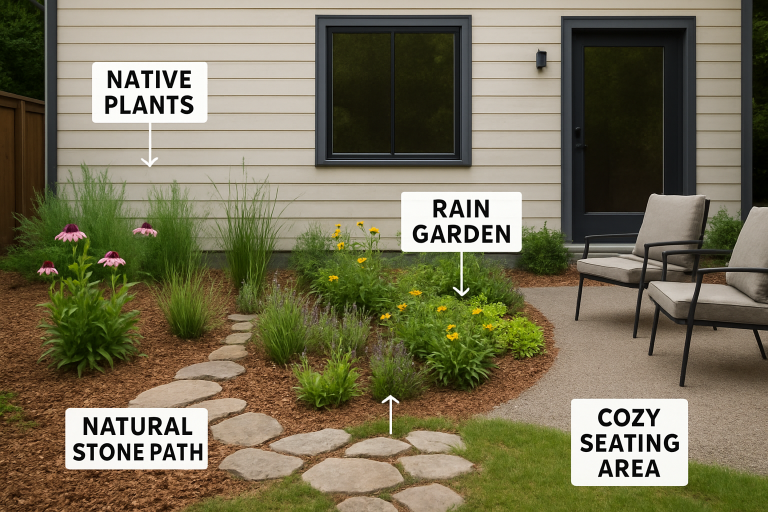
Native and regionally adapted plants consistently outperform non-natives in local climates. Because these plants evolved to thrive under specific regional conditions, they generally require less water, fertilizer, and intervention than exotic varieties. Beyond reducing homeowners’ workload, a native planting plan can increase biodiversity by attracting birds, insects, and beneficial pollinators native to the area. Native wildflowers, grasses, and shrubs also resist local pests and diseases, reducing the need for chemical pesticides and creating a flourishing, balanced ecosystem. For more on the advantages of native plant landscapes, consider this resource from the Associated Press.

Implementing Water-Efficient Landscaping

Conserving water is a foundational principle in sustainable landscaping. Xeriscaping, which emphasizes drought-tolerant plants and efficient irrigation, directly addresses resource conservation. Modern homeowners often minimize expanses of turf grass in favor of mulched beds, stone pathways, and rain gardens. Drip irrigation and smart controllers that adjust for weather and soil moisture are increasingly popular for reducing waste and controlling costs. Responsible water management is vital in areas prone to drought or subject to water restrictions, and these efforts are both practical and environmentally necessary.

Integrating Edible Gardens into Your Landscape

Edible and ornamental gardening are merging as more homeowners seek fresh, homegrown produce alongside beautiful outdoor spaces. The concept of foodscaping places fruit trees, raised beds, and herb spirals as attractive focal points in the landscape rather than confining them to the backyard. This dual-purpose approach makes efficient use of available planting space while supplying nutritious food for your family. Edible gardens can also reduce food miles, inspire healthier eating, and foster community sharing and engagement. The HGTV edible landscaping guide features practical ideas for first-time gardeners.

Utilizing Natural Materials and Earth Tones

Natural materials chosen for garden paths, patios, and edging lend a soothing, cohesive quality to outdoor environments. Stone, wood, and clay reflect the local geology and create a seamless transition from the built environment to the surrounding natural areas. Earth-toned furnishings and finishes, with hues reminiscent of sand, clay, and foliage, ground the landscape in its setting. This return to organic color palettes and tactile materials contrasts with previous trends of sleek modern minimalism, creating outdoor spaces that feel warm and welcoming in every season.

Designing Outdoor Wellness Spaces

As homeowners seek tranquility and improved well-being from their landscapes, wellness-oriented spaces are a rising trend. Gardening areas for meditation, yoga, or simply quiet enjoyment can promote mindfulness and stress reduction. Elements like serene water features, wind chimes, and aromatic herbs (such as lavender and rosemary) enhance both ambiance and sensory experience. Carefully selected seating, soft lighting, and privacy screens transform gardens into restorative retreats, encouraging time spent outdoors and a closer connection to nature.

Creating Pollinator-Friendly Gardens

There’s growing awareness about the crucial role pollinators play in maintaining healthy environments. Gardens designed to attract bees, butterflies, and hummingbirds typically feature a varied mix of flowering plants that provide nectar across the growing season. Avoiding insecticides, supplying water sources, and planting in clusters further enhance the space’s ability to support pollinators. This biodiversity supports not only the immediate garden but also regional food production and native wildlife.

Developing Wildlife Habitats

Designing achievable, wildlife-friendly features allows gardens to become havens for birds, amphibians, and beneficial insects. Birdhouses, bat boxes, rock piles, and small ponds can provide essential shelter and nesting sites. Grouping native shrubs and trees creates layers for different wildlife, contributing to a thriving, interdependent ecosystem. Such biodiversity can positively influence pest management while offering delightful opportunities for wildlife observation, enriching the homeowner’s daily experience.

Incorporating Smart Technology in Landscaping

The integration of technology in landscape design boosts sustainability by optimizing resource use. Smart irrigation systems, weather-responsive lighting, and automated mowers can reduce waste and streamline maintenance. Mobile apps enable remote management, allowing schedules and settings to be adjusted on the fly for efficiency or while traveling. These advancements lead to healthier landscapes that require less intervention, demonstrating that technology and nature can coexist and even enhance one another.

Adopting sustainable landscaping trends is about more than just visual appeal. These practices improve the health of your garden, support regional ecosystems, and prepare your landscape for the challenges of a changing climate. By making thoughtful choices, homeowners can enjoy outdoor spaces that are vibrant, resilient, and beneficial for years to come.